

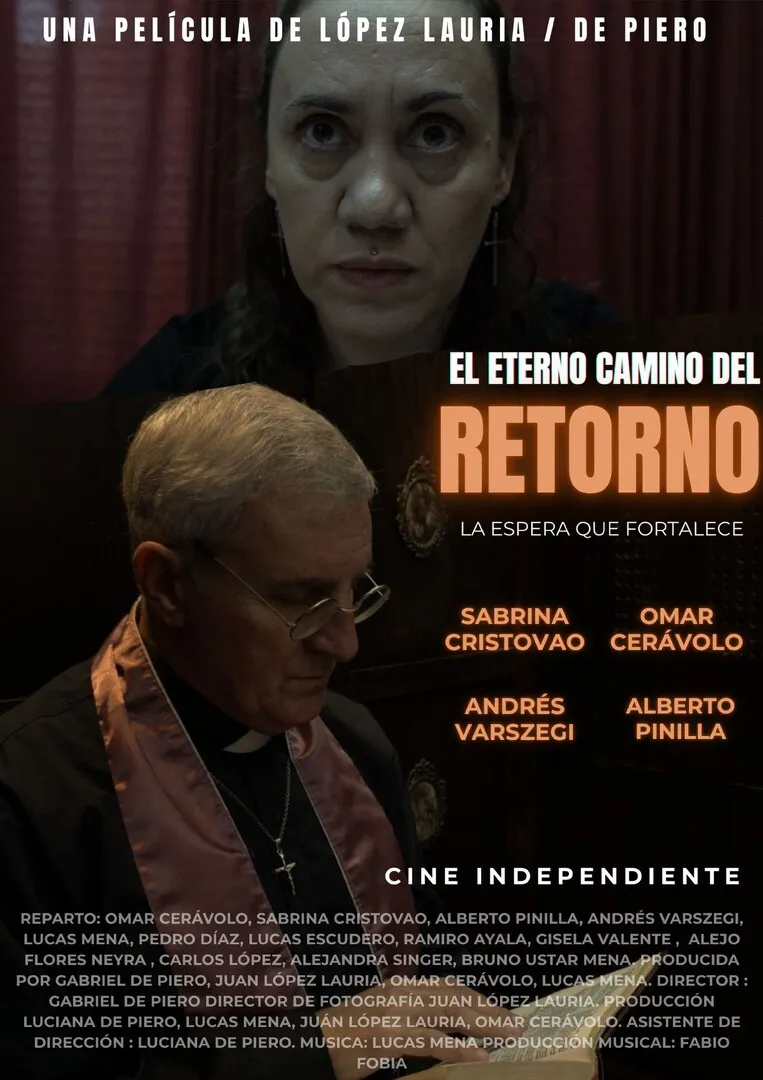
At the first “Literature in Cinema” festival, which took place in Buenos Aires, Argentina, last April, a large number of scripts were presented, as expected. The buffs focused on the contribution that cinema makes to literature or, conversely, how much literature contributes to cinema.
There were great works from all over the world, but ultimately it was Simon O'Corra's “Ward Six” that took the laurel. The story, based on a short story by Russian writer Anton Chekhov, tells the story of a provincial doctor in an asylum for the mentally insane, and his intellectual conflicts with his patient. This classic of Russian literature is iconic, in the sense that it makes a defense of intelligence as perhaps the only important characteristic of human nature. It is said that Lenin was disturbed by this proposition.
It remains to be hoped that soon we will be able to see O'Corra's script on the screen.
Te puede interesar

The first festival of our magazine will be held on December 29, 2025. All enrolled films will have exposure in promotional notes totally free. There will also be reviews and interviews. For some categories we offer a 75% discount, with code Disco2025
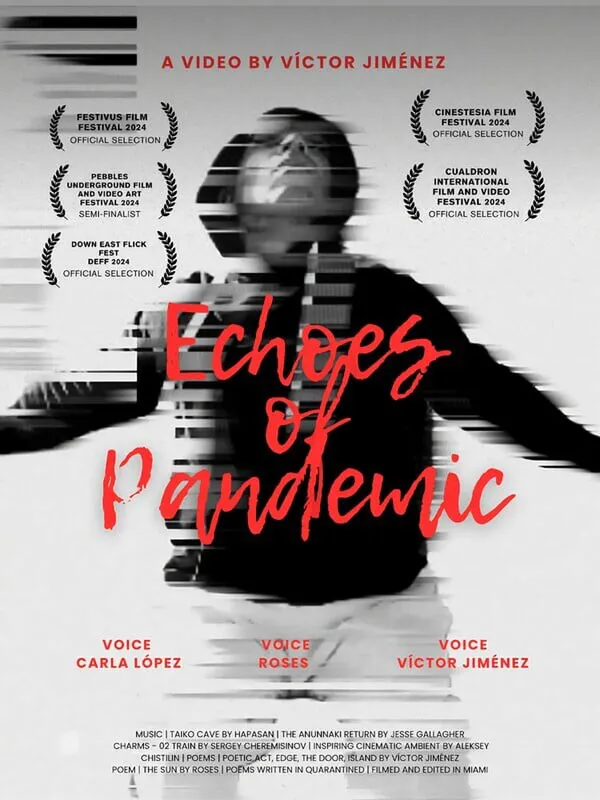
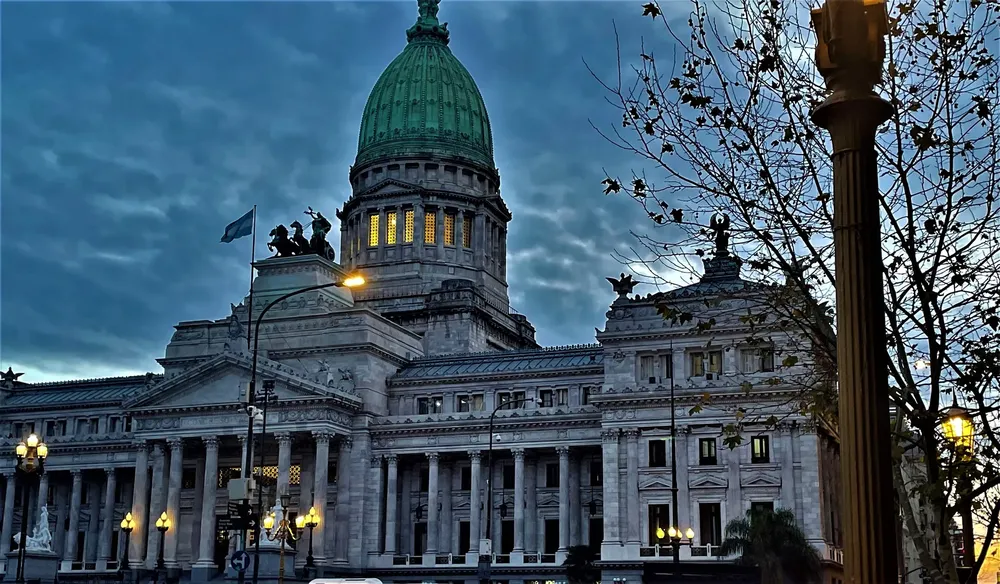
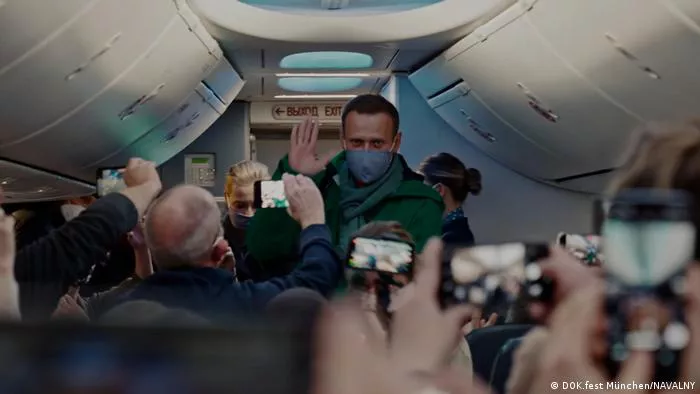
After a two-year break due to the pandemic, the documentary film festival is once again held in cinemas. A political thriller about Alexei Navalny opens the event.
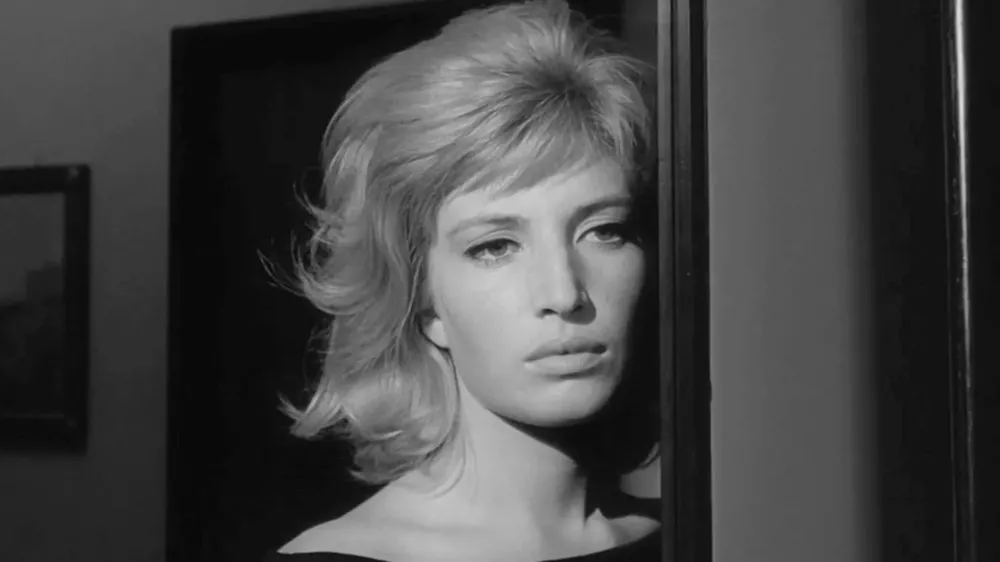
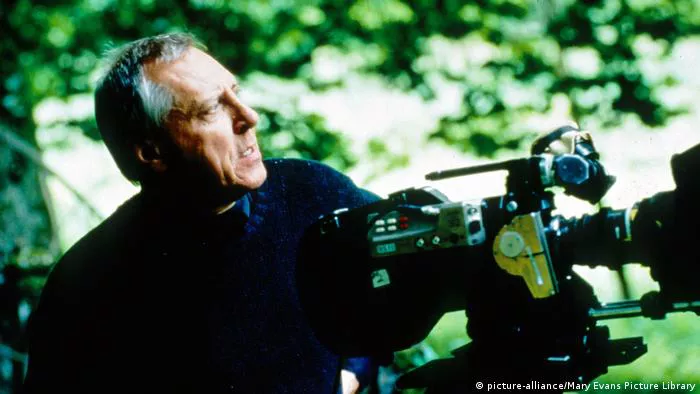
He defines himself as a philosopher and an artist: As the unconventional British filmmaker Peter Greenaway turns 80, here's a look back at his career.
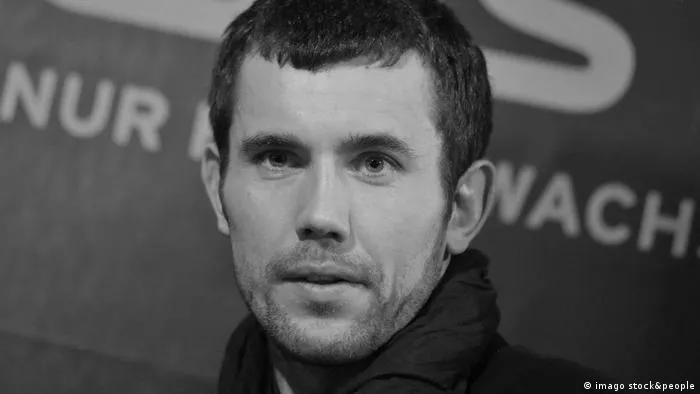
Lithuanian filmmaker Mantas Kvedaravicius, whose documentary "Mariupolis" premiered at the 2016 Berlinale, was killed in an attack in the besieged Ukrainian city of Mariupol. DW takes a look at other Ukrainian films.
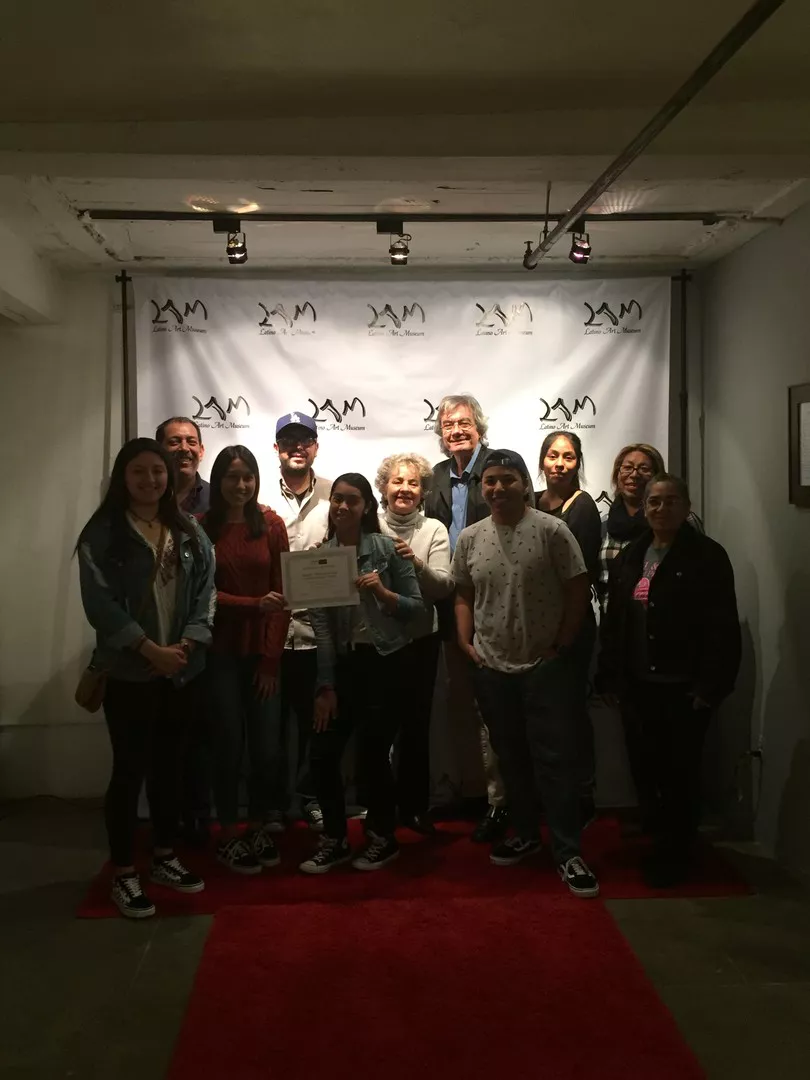
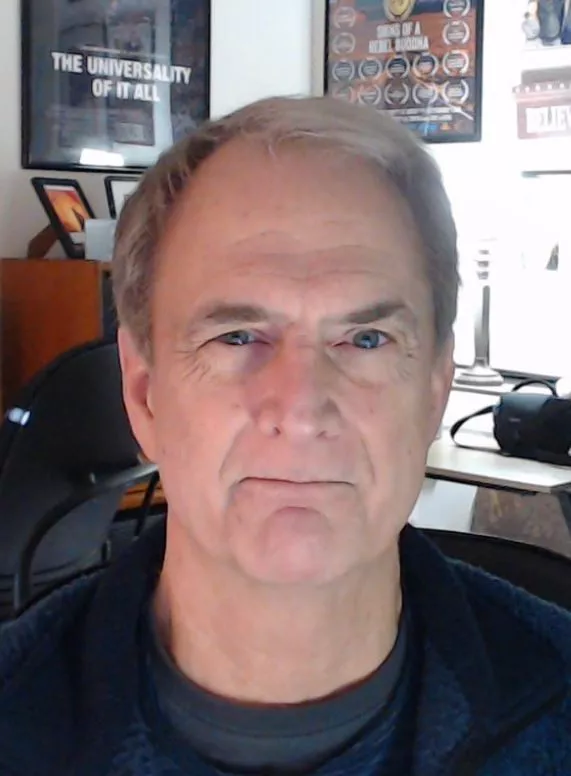
Picture from last Festival in Pomona, California
Lo más visto