

Interview to director An Vedi
INTERVIEWS
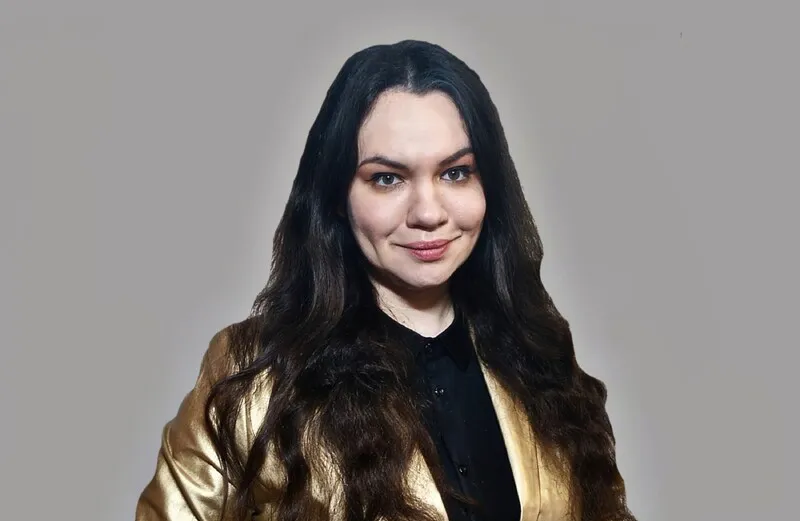
Interview to director An Vedi
An Vedi is the winner of international awards and contests as violinist, composer, chamber music performer, singer, conductor and filmmaker. She is the youngest recipient of the Edward Elgar Medal (2019, the UK). An Vedi graduated from the Moscow Conservatory and Post-graduate studies with honors. She has been performing on stage for over 25 years.
She is a Member of the Recording Academy (Voting Member and Mentor), BMI, the Boston New Music Initiative, International Singer-Songwriters Association, Indie Collaborative, International Society for Jazz Arrangers and Composers, Musical Explorers by Carnegie Hall, International Association for Music and Medicine, Sisters In Music, International Conductors Guild, Modern Conducting Academy, National Union of Composers, Russian Music Society. An Vedi is a judge at several international music competitions and awards. As a violinist and conductor she has over 700 works in her performing repertoire. As a composer, she has composed over 100 works for orchestra, choir, chamber ensembles, and individual instruments. As a songwriter, she has written over 300 songs. Since 2018, she has been conducting master classes for young musicians according to her individual method, which has been approved by music teachers from schools, colleges and universities. An Vedi actively collaborates with members of the Recording Academy, as well as Grammy®-nominated and winning artists. In November 2024, she received a Grammy® nomination as the participating artist in the album "The Fury" by Antonio Vergara.
Q. Are you interested in the relevance of music in cinema?
A. It's always fascinating to hear the sound side of cinema: as a composer and sound producer, I hear the whole process, every «ingredient», comparing each creator's approach to the vision of a scene, the behavior of the characters, the meta-space of the cinematic universe, even within a short film. I believe the role of music in film is incredibly important. And sometimes you can close your eyes when a famous melody from a film plays and instantly recall the entire scene.
Q. Did you study film?
A. I studied film music as a composer, and, incidentally, my teacher on composition, professor Alexander Koblyakov, is a an award-winning film composer. He always taught me to "see" (or rather, "anticipate") the music I was composing and to view any "ordinary" music as a driving force in the plot.
And when I work on my short films or videos, I try to find in the visual part what I saw when I wrote the music or the song.
Q. What was your first foray into cinema?
A. In my youth, I worked on several small film projects as a violinist and composer. I then stepped away from this work somewhat, as I delved into performing and composing music. Recently, however, I've begun collaborating with filmmakers again—as a composer and consultant—and also released my short monologue film, "Confession" (2025), which won several awards for my work as a filmmaker and actress.
Q. Are you interested in cinema as art, industry or entertainment?
A. While I acknowledge the significant role of cinema as a form of entertainment (for the public), I prefer to perceive it more as an art form. I also like to maintain a balance in my work between "pure art" and what would be interesting to people.
Q. In which category does your film intervene at this festival?
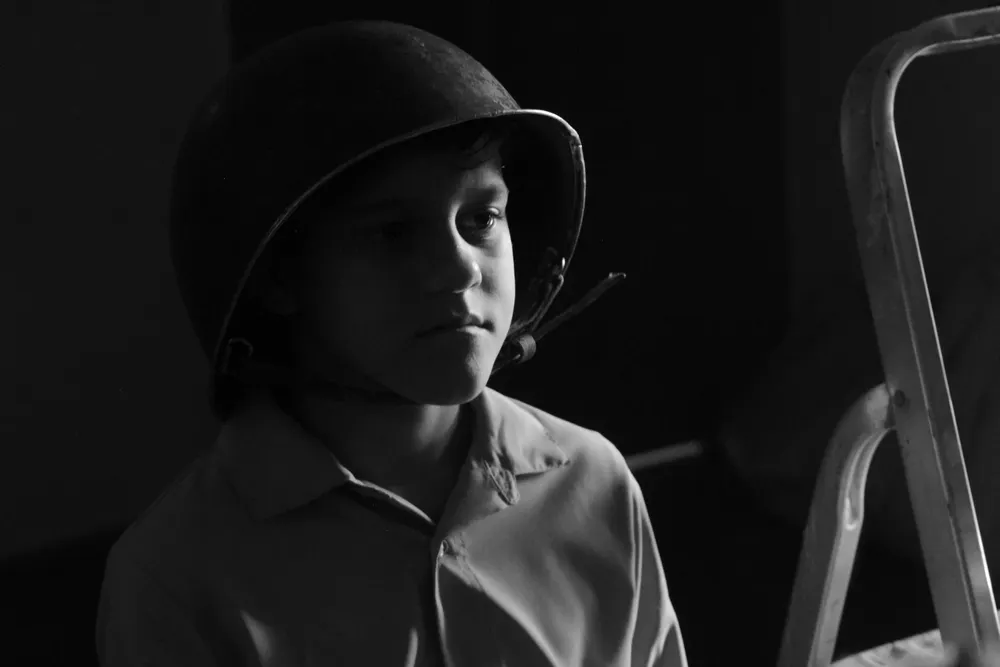
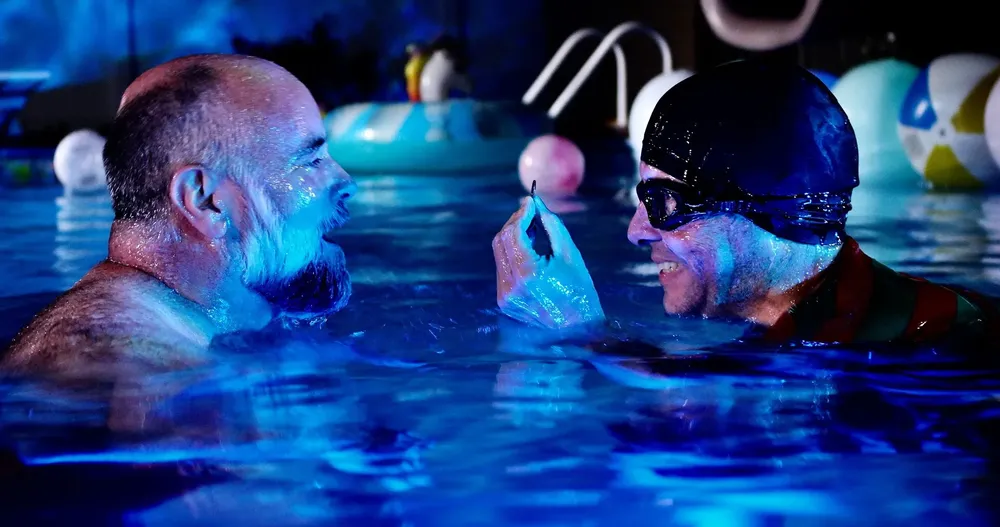
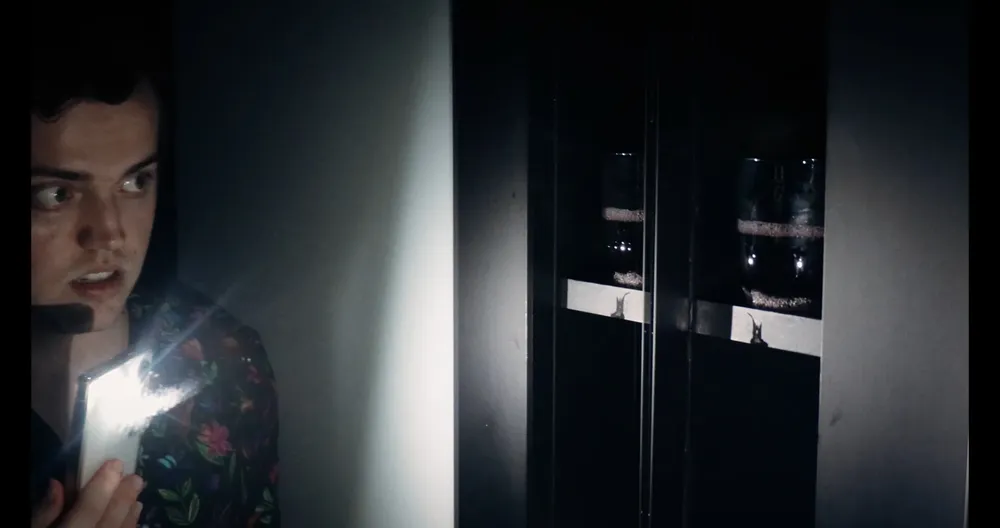
A. I am participating in the Festival for the first time, but in several roles - as a filmmaker, composer, songwriter, producer, violinist. 7 works were created with my participation and were chosen in the categories “Best classical music video”, ”Best Original Song”, ”Best music video”, ”Best film soundtrack on any subject”, ”Best Photography”. A few of them are collaborative projects and I'm proud I've been working on them with best creators from around the globe.
Q. Do you have projects in progress?
A. Yes, I am working on several film projects as a composer and consultant.
Q. Do you recognize influences in your work?
A. I'd say I'm influenced by multiculturalism as a musician and filmmaker. I was born and raised in Russia, but I work with creators from the US, Latin America, Europe, England, and the Middle East—and all of this incredibly inspires me to experiment with new music and film. It's the same with purely cinematic influences: I love old Russian films (from the USSR), "Golden Hollywood," and musicals, but I also keep up with new art films from around the world.
Q. How do you get financing?
A. Since I prefer cinema as an art, I look for like-minded people and co-creators and together we make very good projects.
Q. Do you see the cinema as a definitive profession or only occasionally venture?
A. I consider cinema to be a part of my activity, along with purely musical art.
Q. What is your concept of cinema that interests you?
A. My concept of cinema is quite simple: "inspiration guided by the logic of environmental construction." In other words, first comes inspiration, an idea, and then its gradual implementation in various aspects.
Te puede interesar

Lo más visto