


Amir Kariminejad - Interview
INTERVIEWS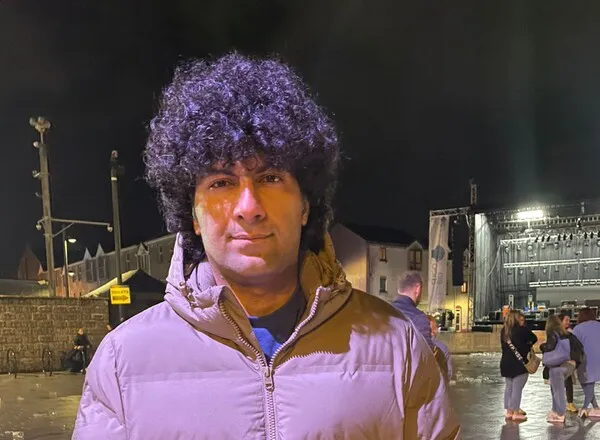
INTERVIEW - Amir Kariminejad
TOC - Are you interested in the relevance of music in cinema?
Yes, absolutely. I believe music is essential to every film, even in realistic cinema. In The Birth of Tragedy, Nietzsche explores how the Apollonian and Dionysian elements work together: the visual being rational and structured, while music taps into something deeper and emotional. In cinema, this relationship is vital. The image gives us form and narrative, but music reaches the audience’s subconscious, creating an emotional truth that visuals alone cannot achieve. Without music, even the most realistic film loses a dimension of its power.
Did you study film?
No, I haven’t formally studied film, but I’m currently pursuing a master’s degree in dramatic literature. This has given me a strong foundation in storytelling, structure, and character development, elements that translate directly into filmmaking. Studying drama academically has taught me how to analyze narrative architecture and human conflict, which are fundamental to both theater and cinema.
What was your first foray into cinema?
Shabnam is my first film. I come from a theater background, where I have worked as a director and writer for over ten years. Cinema always fascinated me, but I needed time to study its language, its technical grammar, and its visual storytelling. When I felt ready to express my concerns through this medium, I made the transition. Theater taught me about performance and space, while cinema opened up new possibilities for form and intimacy.
Are you interested in cinema as art, industry, or entertainment?
I am primarily interested in cinema as an art form. I see cinema as a space for expression, reflection, and questioning, rather than a product designed mainly for consumption or market demands.
In which category does your film intervene at this festival?
I composed the soundtrack myself for Shabnam. This was important to me because music and image need to be conceived together, not added afterward. By controlling both elements, I could ensure they emerged from the same emotional and conceptual space. The music isn't decoration; it's integral to the film's structure and meaning.
Do you have projects in progress?
Yes. I am currently developing my next short film, which will be a psychological drama. It continues my interest in inner conflict, atmosphere, and the relationship between sound, image, and emotion.
Do you recognize influences in your work?
Of course. Every artist and filmmaker exists within a tradition. We're shaped by what we've seen, read, and experienced. I don't try to hide my influences; I try to digest them and transform them into something personal. The films, plays, and books that have moved me become part of my artistic language.
How do you get financing?
I work as a web developer to earn money. Shabnam was financed entirely with my own income. I try to remain as independent as possible, earning money through my professional work and reinvesting it into my artistic projects. This kind of independence is not easy, but it allows me to stay honest and faithful to my concerns as an artist.
Do you see cinema as a definitive profession or only an occasional venture?
I would like to see cinema as a profession, but on my own terms. I prefer to remain an independent artist rather than make films based on imposed subjects or external demands that do not reflect my interests.
-What is your concept of cinema that interests you?
I have worked as a theater director and writer for over ten years. During this time, I developed strong concerns about both content and form, which I explored through theater. Alongside that, I followed cinema closely, learning its technical and formal possibilities. Cinema offers a powerful combination of image, sound, rhythm, and time, allowing me to express those same concerns on a broader and deeper level. Music also plays an important role in my work, as I see it as an integral part of the artistic experience rather than a secondary element.
Thank you for the opportunity to share this work with you.
Best regards,
Amir
oha
Te puede interesar





Lo más visto